


AT A GLANCE
- How much does a destination wedding in India cost?
Budget ranges from ₹15 lakh for a smaller city celebration to ₹5 crore and beyond for a multi-day palace destination wedding in Rajasthan. The average Indian wedding cost is widely understood to sit between ₹30 lakh and ₹1.5 crore for a mid-scale event of roughly 300–500 guests?
Rajasthan (Udaipur, Jaipur, Jodhpur, Jaisalmer) leads for palace and fort weddings. Goa is the most internationally accessible beach destination. Kerala offers unmatched intimacy and natural beauty. And Delhi NCR has the deepest vendor ecosystem. Each suits a different vision and budget.
- How much does wedding photography in India cost?
Professional wedding photography in India ranges from ₹80,000 for an emerging/solo photographer to ₹5 lakh and above per day for an experienced documentary or editorial photographer. Multi-day packages for 3–5 day celebrations are priced on total coverage days and deliverables required. At In The Fable Cameraworks, we offer full-service wedding media production with pricing tailored to the scope of your celebration.
- What is a pre-wedding shoot and do I need one?
A pre-wedding shoot is a dedicated photography session, typically 1–2 days, at a separate location before the wedding, designed to capture creative portraits and let the couple build comfort with their photographer. Common locations include Rajasthan’s forts, Goa’s beaches, Himachal’s hillscapes and Kerala’s backwaters. Costs range from ₹40,000 to ₹5 lakh+ depending on the photographer and destination.
- What are the main ceremonies in an Indian wedding?
It depends on tradition. A North Indian Hindu wedding typically includes Mehendi, Haldi, Sangeet, Baraat, Pheras and Reception across 2–4 days. A South Indian wedding includes Naandi/Vratham, Kashi Yatra, Oonjal or Talambralu, and the Muhurtham ceremony — often beginning at dawn. A Sikh wedding centres on the Anand Karaj ceremony at the Gurudwara. Each tradition has its own visual language, timing logic and photography requirements.
There is nowhere on earth that celebrates a wedding the way India does. Not in scale; though the numbers are extraordinary, with an estimated 10 million weddings taking place in India every year. What makes a destination wedding in India singular is the cultural depth behind every ritual, every textile, every marigold rope and every note of the shehnai. This is not performance. This is civilisation celebrating itself.
India is also, for the diaspora, something more specific than a destination. It is home — or the echo of home — and a destination wedding in India carries a meaning for NRI couples, for British-Indian families, for Indian-Americans and Indian-Australians, that no European setting can replicate. Coming back to India for the biggest celebration of your life connects the event to something older and truer than any venue.
At In The Fable Cameraworks, we are a full-service wedding media production company specialising in documentary-style, editorial-leaning photography and film for Indian, multicultural and South Asian weddings across Europe and South Asia. We have documented destination weddings in India from the blue-walled alleys of Jodhpur to the backwater sunsets of Kerala, from luxurious Delhi weddings to Goa’s Portuguese colonial villas. Our approach is narrative-driven and creative direction-focused with emphasis on the real story of each celebration.
This guide covers everything you need to know about planning a destination wedding in India: the best locations, cultural traditions, practical logistics, legal requirements, wedding photography, pre-wedding shoots, and honest cost guidance. Whether you are planning your own celebration here or you are a family flying in from the UK, the US or the UAE, this is the perfect starting point.
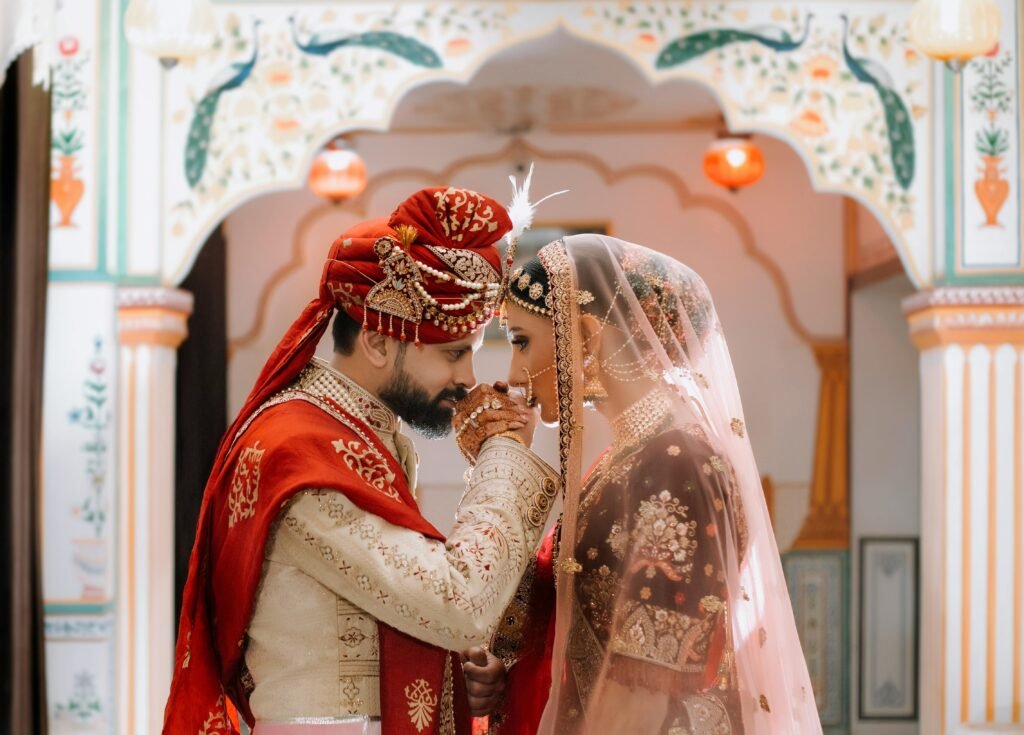
Why India: The Case for a Destination Wedding in India
The Scale Is Impossible to Replicate Anywhere Else
A destination wedding in India at its fullest expression — a 400-person celebration across four days in a Rajasthan palace, with a baraat, a mehendi garden, a sangeet stage, pheras under a hand-carved mandap and a reception that runs until three in the morning — is not achievable anywhere else at any budget. The vendor infrastructure that exists in Indian wedding cities is extraordinary: specialist decorators, dhol parties, fireworks coordinators, mithai caterers serving 800 guests, pandit services calibrated to the exact muhurtham of the ceremony, choreographers for sangeet performances, horse trainers for groom’s baarat entries. This is a professional industry that has been perfecting itself for generations. According to the Ministry of Tourism’s Incredible India portal, India’s wedding sector spans palace venues, beach settings, mountain locations and heritage havelis across every state. No other country offers this range under a single cultural tradition.
The Photography Opportunity Is Unmatched
India produces the most visually dramatic wedding photography of any country in the world. The colour, the architecture, the texture of the rituals, the quality of the light; nothing competes. A morning haldi against the pale ochre walls of a Jodhpur haveli; pheras in the courtyard of a Udaipur palace at dusk; a bride in a Kanjivaram saree against the banana-leaf green of a Tamil Nadu temple ceremony — these are frames that only India makes possible. From our experience as documentary-editorial wedding filmmakers, the visual density of a destination wedding in India means we are making significant images from the moment we arrive to a venue.
India for NRI and Diaspora Couples
The fastest-growing segment of destination weddings in India is couples from the diaspora such as British-Indian, American-Indian and UAE-based families choosing to come home for the grandest celebration of their lives. The logic is compelling: most of the extended family is already in India, the cultural infrastructure exists here and nowhere else, and the cost, even at the luxury end, represents extraordinary value compared to European equivalents. As Condé Nast Traveller India has noted, India’s palace and heritage hotel stock is unmatched globally for a wedding setting. A destination wedding in India at a Rajasthan fort property for 250 guests compares favourably in cost and dramatically outperforms in visual impact against a comparable European venue.
The Vendor Ecosystem Is a Luxury in Itself
What most international couples discover when they begin planning a destination wedding in India is that the vendor ecosystem here is more developed than anywhere else in the world for celebrations of this nature. According to Lonely Planet, India’s heritage hotel network, from the Oberoi properties to the Taj group’s palace hotels to independent family-owned havelis, provides a concentration of extraordinary venue options unmatched on any continent. Add to this the depth of specialist vendors available in cities like Jaipur, Udaipur, Mumbai and Delhi, and you have a planning environment that, with the right team, is genuinely manageable even from abroad.
Destination Wedding in India: The Best Locations by Region
India’s geography is a wedding planner’s dream and a logistics coordinator’s challenge. The country spans desert, mountain, coastline, backwater, forest and metropolis, each with a completely different character and a completely different set of practical considerations. Here is an honest portrait of each major destination wedding region.
Rajasthan: The Undisputed Capital of the Destination Wedding in India
If destination weddings in India had a single heartland, it would be Rajasthan. The state’s extraordinary heritage infrastructure — the forts, the palaces, the havelis, the desert — provides the backdrop that the world associates with a truly grand Indian wedding. But within Rajasthan, each city has its own distinct character and the choice between them is consequential.
Rajasthan Tourism’s official site describes the state as home to more UNESCO World Heritage Sites and heritage hotels than any other Indian state. Moreover, the wedding industry here has grown up around this extraordinary concentration of built heritage.
Udaipur: The City of Lakes
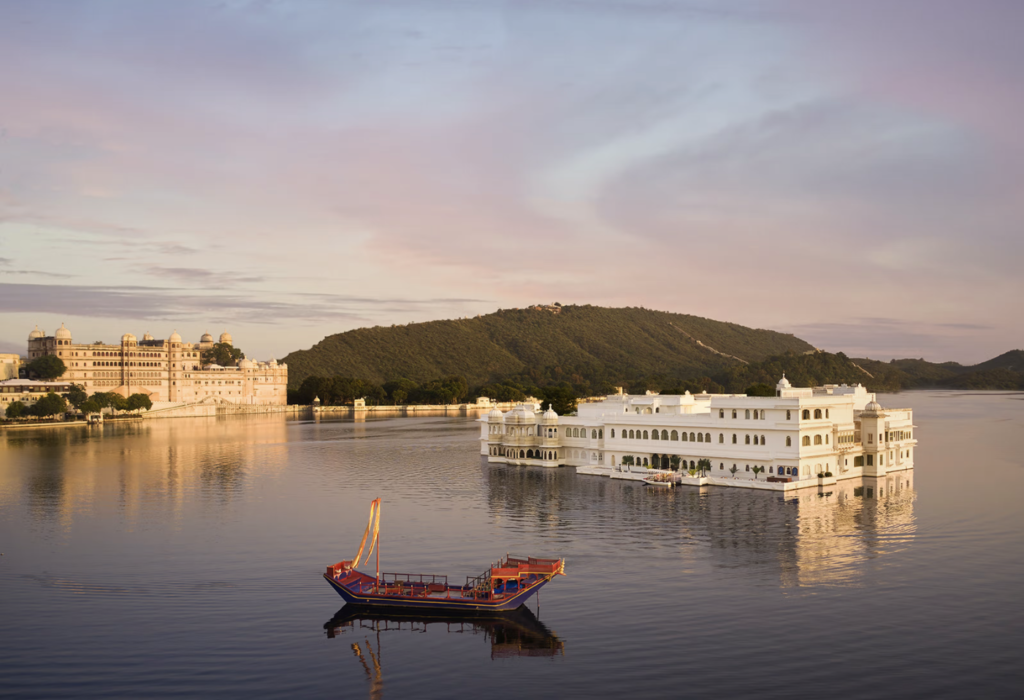
Udaipur is the most internationally requested destination for a wedding in India, and the Taj Lake Palace (floating on Lake Pichola, accessible only by boat) is perhaps the single most photographed venue in Indian wedding history. The Oberoi Udaivilas, RAAS Devigarh and the Fairmont Udaipur complete a portfolio of extraordinary properties. Udaipur suits intimate-to-mid-scale celebrations (50–300 guests) where the landscape is as important as the venue.
Jaipur: The Pink City at Grand Scale
Jaipur offers Rajasthan’s widest range of venue options and its most sophisticated vendor ecosystem. The Rambagh Palace (Taj), the Jai Mahal Palace and the Samode Palace serve large-scale destination weddings in India with a level of professional infrastructure that rivals any global hotel group. Jaipur suits 200–600 guest celebrations where logistical complexity must be managed without sacrificing grandeur.
Jodhpur: The Blue City’s Raw Drama
Jodhpur is our personal favourite for photography. The blue-painted old city and views of Mehrangarh Fort looming above it, a place where pale desert light turns everything amber — the absolute and unmatched destination in Rajasthan. RAAS Jodhpur and Umaid Bhawan Palace anchor the luxury end. For couples who want their destination wedding in India to feel visceral and extraordinary rather than polished and palatial, Jodhpur is the answer.
Jaisalmer: The Desert Wildcard
Jaisalmer is for the couple who wants the most distinctive destination wedding in India possible. The golden fort, the Sam Sand Dunes, the camel caravans at sunset; Jaisalmer is genuinely unlike anywhere else on earth. It is logistically complex and accommodates smaller celebrations (50–150 guests), but for the right couple, it is unforgettable. The winter window (November–February) is essential as Jaisalmer in May is not survivable for a wedding.
Goa: Beaches, Portuguese Villas and a Different India
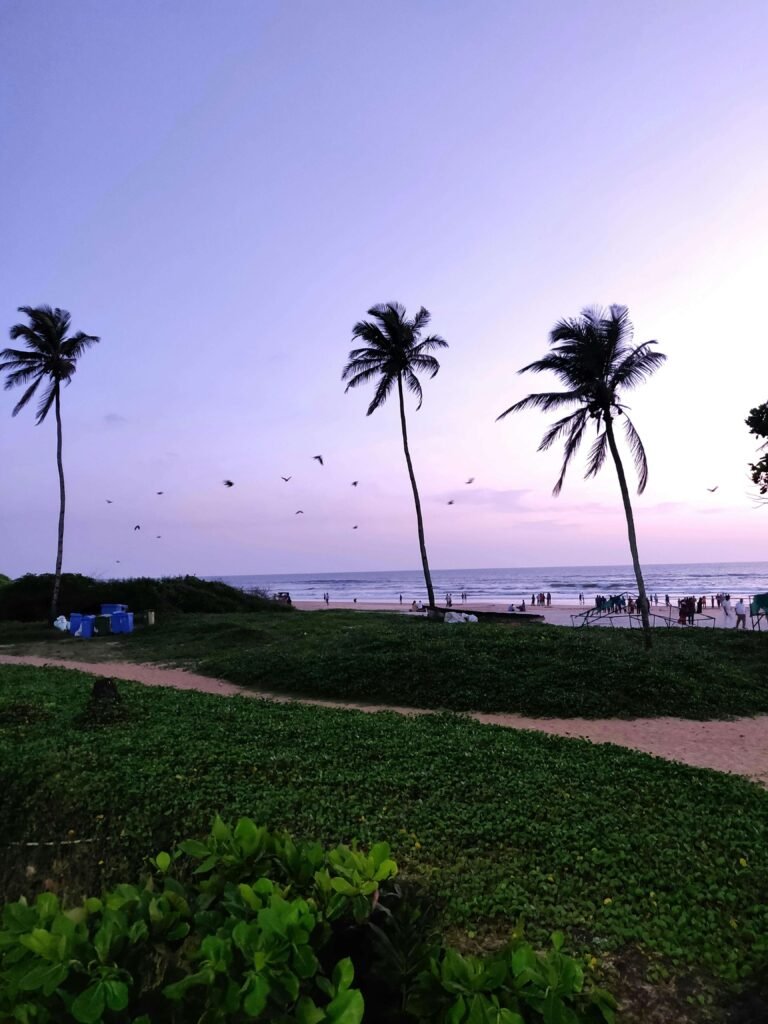
Goa is India’s most internationally accessible destination wedding setting and the most photogenic one for couples whose aesthetic leans coastal, relaxed and sun-saturated. Portuguese colonial heritage in Goa has left behind a collection of extraordinary white-washed churches, palace buildings and villa estates that provide a visual context completely distinct from Rajasthan. Lonely Planet’s Goa guide notes that Goa’s extraordinary blend of Indian and Portuguese culture creates a setting unlike any other in South Asia.
Key venues for a destination wedding in India Goa-style: the Alila Diwa Goa for contemporary luxury in rice paddy surroundings; Fort Tiracol: a Portuguese fort with seven rooms and extraordinary exclusivity; the W Goa for a more contemporary, beach-club energy. In fact, Goa also suits mixed-heritage weddings particularly well — it is the most internationally legible destination on this list and the one where Western guests feel most naturally at home.
Best for: Couples prioritising coastal beauty, international guest comfort and a relaxed, multi-day resort format. Guest numbers of 80–300 work pretty well although we have observed that certain Goan properties can accommodate even more.
Delhi NCR : The Metropolitan Powerhouse
Delhi NCR has the deepest vendor ecosystem of any city in India for weddings. The city’s concentration of five-star hotels — the Taj Mahal Hotel New Delhi, The Leela Palace, The Oberoi, the ITC Maurya, Hyatt Regency — gives large-scale destination wedding celebrations in India every infrastructure advantage. Further, the heritage dimension comes from Delhi’s extraordinary built environment: Humayun’s Tomb, Qutub Minar, Hauz Khas, Lodhi Garden, all of which feature as popular backdrops for wedding photography and pre-wedding shoots.
Delhi NCR farm weddings have become a distinct category over the past decade; private farm estates in the NCR periphery offer sprawling grounds, custom mandap installations, open-air sangeet stages and a blank-canvas quality that hotel venues cannot match. Best for: 300–800+ guest celebrations, families who want maximum vendor choice and vendor quality, or NRI couples returning to North India.
Mumbai: Where Ambition Meets the Arabian Sea
Mumbai is India’s commercial and cinematic capital, and its wedding celebrations reflect both. Sea-facing venues — the Taj Mahal Palace, the Trident Nariman Point, the St. Regis — frame the city’s most ambitious destination wedding celebrations against the Arabian Sea. For smaller, more curated events, the heritage properties of South Mumbai’s Fort district offer a layered urban character unavailable elsewhere.
Mumbai is particularly strong for families in the entertainment, finance and business sectors, and for couples who want a cosmopolitan, city-first wedding in India that does not require guests to travel to a heritage destination. The city’s vendor ecosystem, especially for hair and makeup, contemporary décor and music production, rivals any in the world.
Lucknow: The City of Nawabs
Lucknow is the most underrated destination for a wedding in India, and one we feel genuine affection for as photographers. The Nawabi architecture ranging from the Imambara, Rumi Darwaza to the heritage havelis of the old city provides a visual character of extraordinary refinement that photographs in a completely different register from Rajasthan’s desert grandeur. The cultural tradition here is one of deep courtesy, layered aesthetics and extraordinary cuisine — the kebabs, the biryanis, the sheermal bread, the meetha paan. Need we say more?
For couples who want the scale and heritage depth of a destination wedding in India without the peak-season crowds and premium pricing of Rajasthan, Lucknow is the answer. The wedding vendor ecosystem is growing rapidly. Best for: 200–400 guests, North Indian Shia and Sunni family celebrations, couples who prioritise cultural authenticity and culinary excellence.
Ahmedabad and Gujarat: Vibrant and Rising
Gujarat’s wedding culture is among the most vibrant in India. The textiles, food, music and the multi-day format of a traditional Gujarati celebration are extraordinary. Ahmedabad, as the state’s largest city and a UNESCO World Heritage city, provides a heritage context that is growing quickly in sophisticated wedding infrastructure. The traditional pols (old city neighbourhoods), the step-wells of Adalaj and Rani-ki-Vav (a UNESCO World Heritage Site at Patan), and the new luxury hotel stock in Ahmedabad combine to make Gujarat an increasingly compelling destination for a wedding in India.
Kerala: Backwaters, Temples and a Completely Different Pace
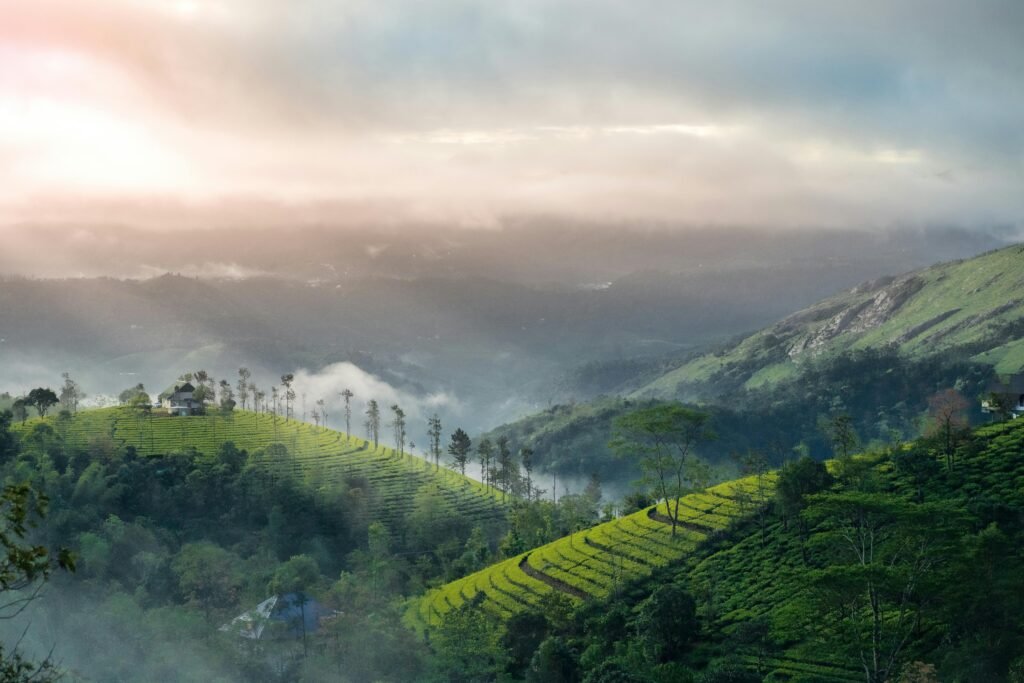
Kerala’s destination wedding setting is defined by water, green and the extraordinary weight of its Hindu and Christian heritage. The backwater houseboat ceremony, the plantation bungalow in Munnar’s tea estates, the lakeside resort at Kumarakom; each provides an intimacy and a natural beauty that is completely distinct from the grandeur of Rajasthan. According to Kerala Tourism’s official portal, the state’s network of heritage properties, plantation bungalows and waterfront resorts makes it one of the most versatile destination wedding settings in South Asia.
For South Indian couples, Kerala is also the natural backdrop for a traditional ceremony. For the visual storytelling we do at In The Fable Cameraworks, Kerala is one of the most emotionally rich settings in India. Best for: intimate celebrations (30–150 guests), South Indian traditions, couples seeking natural beauty over architectural grandeur
Himachal Pradesh and the Hill Stations
The alpine destination wedding in India is a distinct and growing category. Shimla’s colonial-era Chail Palace and the Wildflower Hall (an Oberoi property at 8,250 feet) provide a winter and early summer wedding setting unlike anything in peninsular India. Kasauli, Manali and Bir Billing in Himachal offer increasingly sophisticated boutique resort options for smaller celebrations. Furthermore, for couples who want their destination wedding in India to feel alpine, cool and dramatically different from the standard Rajasthan-or-Goa choice, the hills are a genuinely compelling answer.
Best for: Winter and spring weddings (November–April), couples seeking alpine scenery, smaller intimate celebrations (40–120 guests).
India Destination Wedding at a Glance
| Destination | Vibe | Best Season |
| Udaipur | Lake palace romance | Oct–Mar |
| Jaipur | Palatial grandeur | Oct–Feb |
| Jodhpur | Raw blue-city drama | Nov–Feb |
| Jaisalmer | Desert spectacle | Nov–Feb |
| Goa | Coastal & colonial | Nov–Mar |
| Delhi NCR | Urban powerhouse | Oct–Feb |
| Mumbai | City & sea | Nov–Mar |
| Lucknow | Nawabi refinement | Nov–Feb |
| Kerala | Natural intimacy | Sep–Mar |
| Himachal | Alpine drama | Nov–Apr |
Our Region-Based Wedding Guides
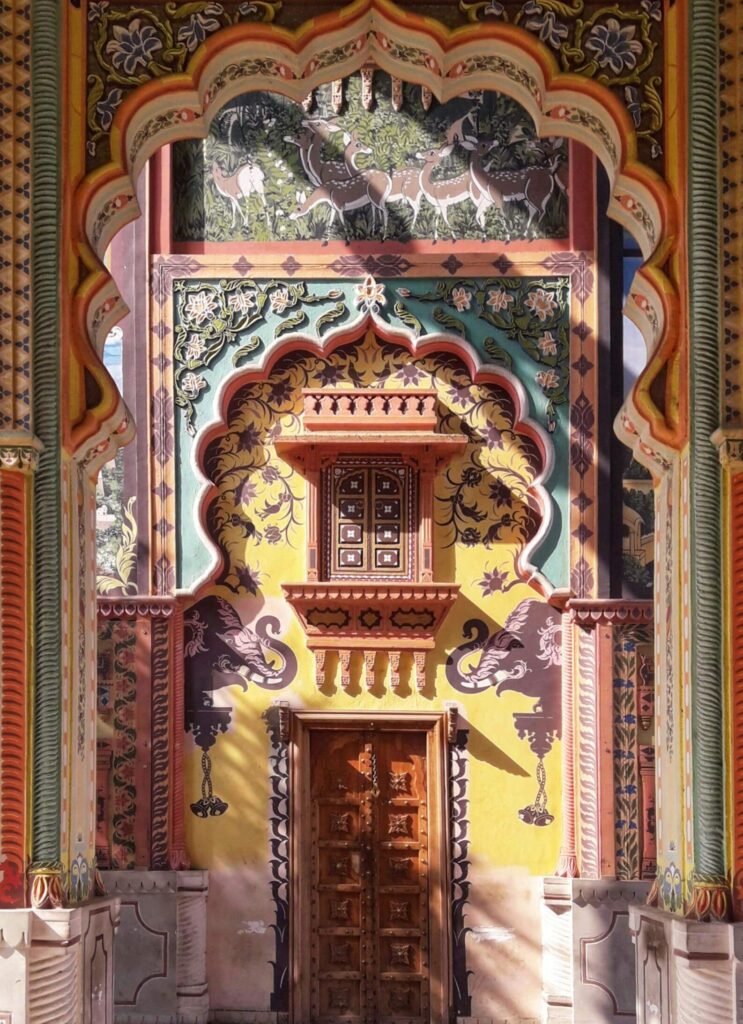
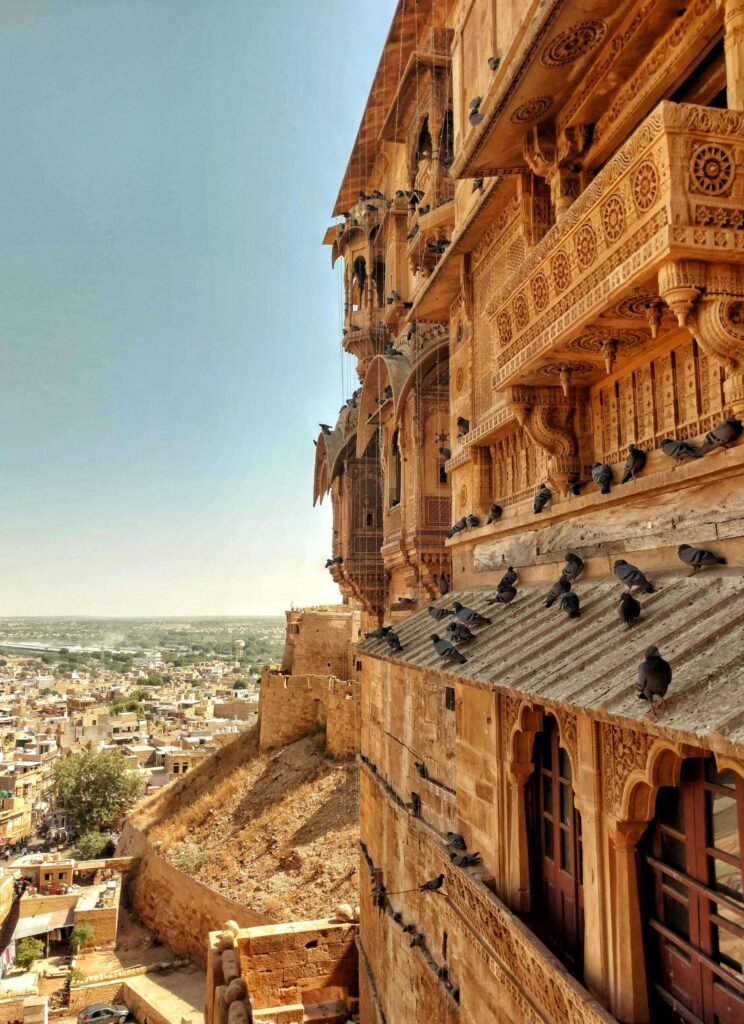
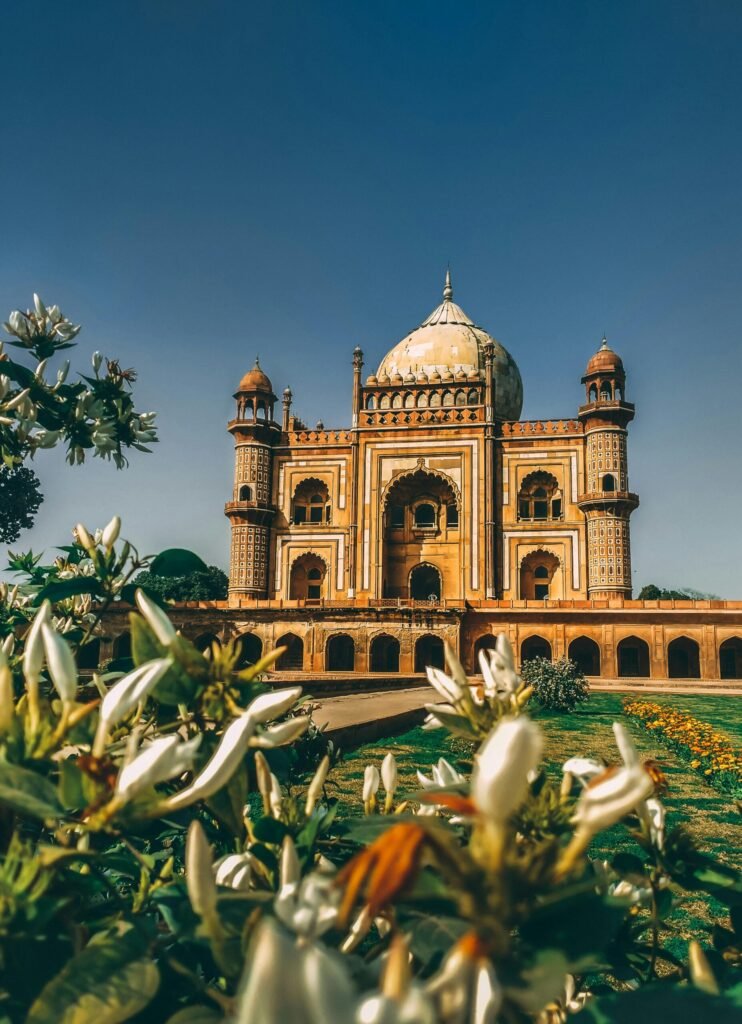
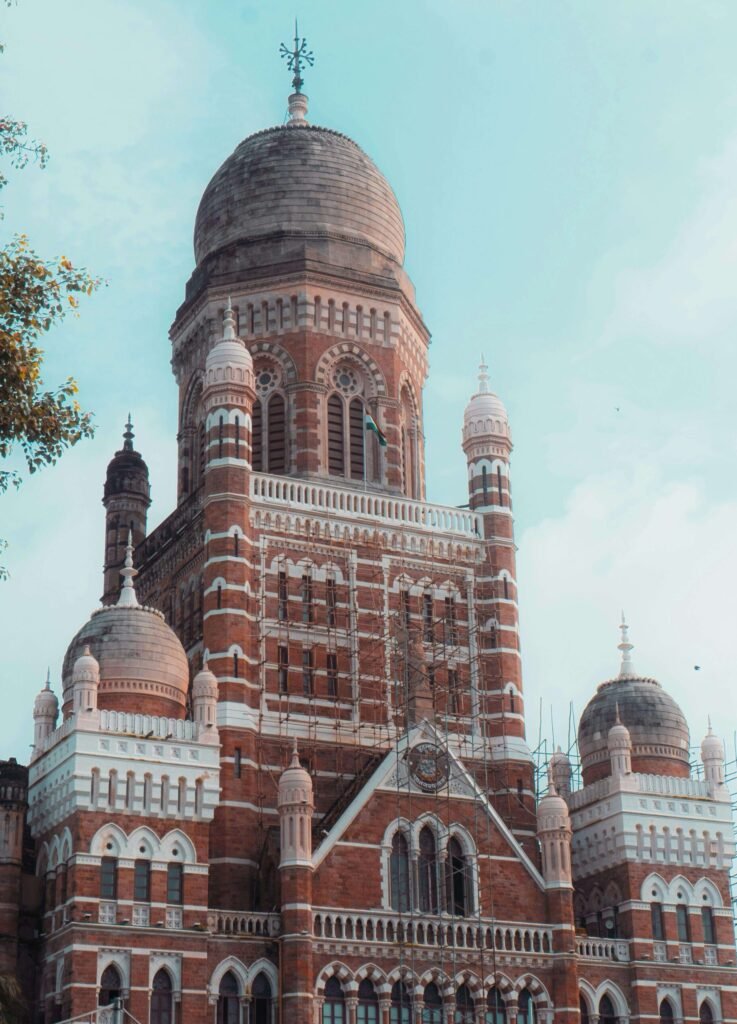
We document destination weddings in India across the country’s most compelling wedding cities. These guides go deeper than this overview — they cover specific venues, local vendor recommendations, photography conditions and the particular logistics of planning a celebration in each location. Explore the cities we know best (we consistently update our blogs):
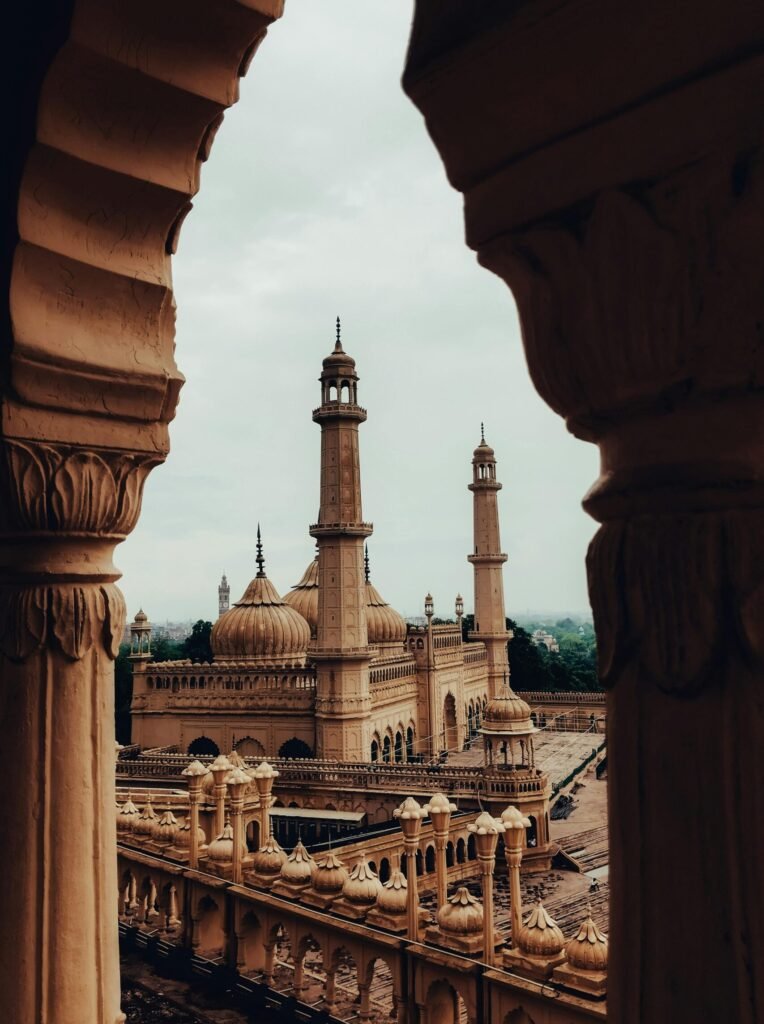
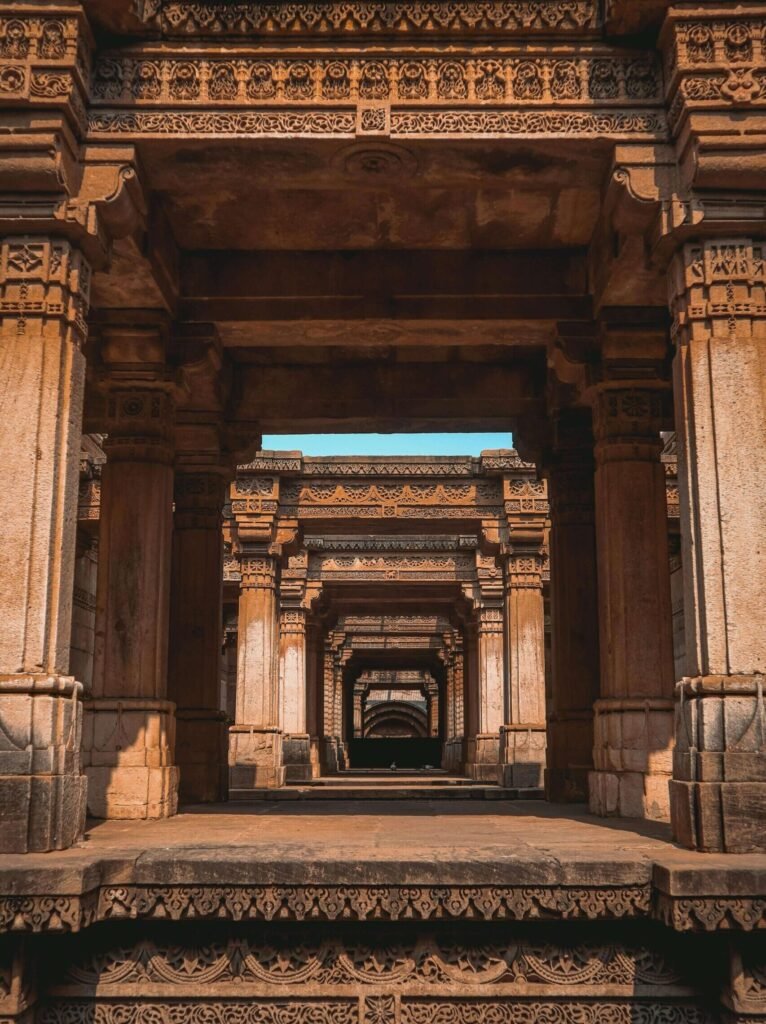
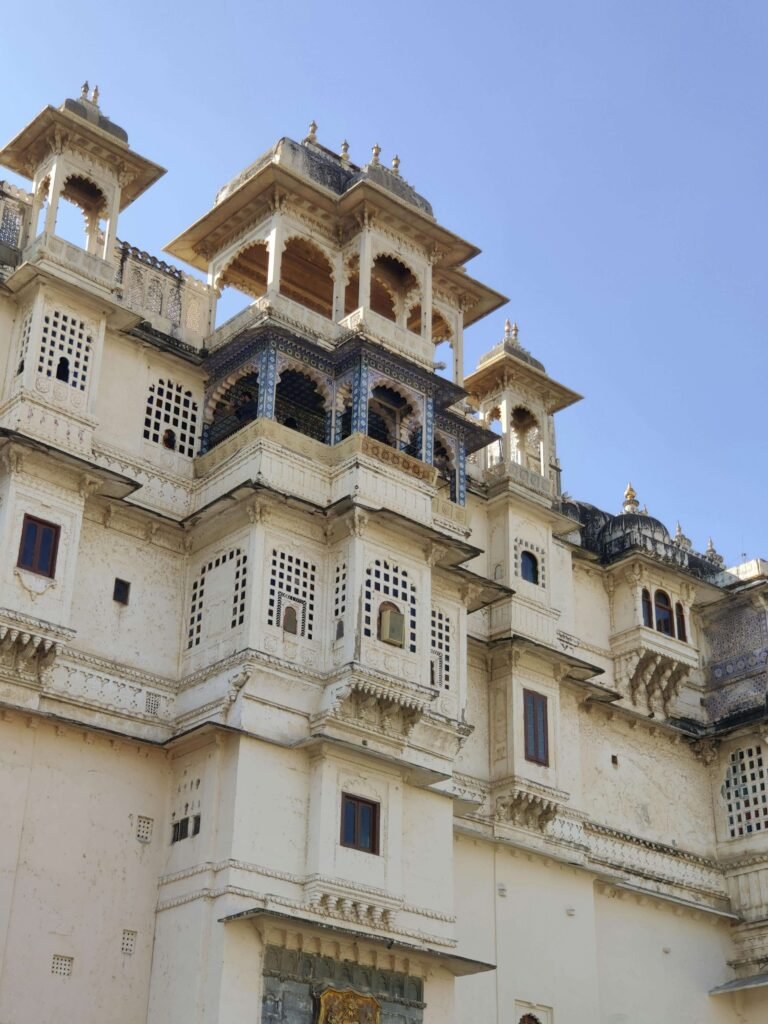
Covering your destination wedding in India
We travel across India to document weddings in the cities, forts and venues on this list. If you are planning a destination wedding in India and want to talk about photography and film that is genuinely narrative-driven and creative direction-focused, we would love to hear about your plans.
The Best Time of Year for a Destination Wedding in India
India’s climate is too diverse and too seasonal to answer this question simply. What is peak wedding season in Rajasthan is monsoon in Kerala. What is winter festival season in Tamil Nadu is the coolest point in Himachal. Understanding when to plan your destination wedding in India requires knowing both your destination and your cultural calendar.
The National Wedding Season: October to February
For most of India, specifically for Rajasthan, Delhi NCR, Mumbai, Lucknow and Gujarat, the wedding season runs October through February. The monsoon has retreated, temperatures have dropped to a manageable range (15–28°C across most of North India), and the country settles into its most celebratory period. This is when the forts are lit up, the marigolds are everywhere, and the country collectively feels in the mood.
| Season | Months | Conditions | Best For |
| Peak | Oct – Feb | 15–28°C North | Most destinations. Best weather for outdoor ceremonies across Rajasthan, Delhi, Gujarat. |
| Shoulder | Mar – Apr | 22–34°C | Still good in North India. Rajasthan warms. Holi season — extraordinary for pre-wedding shoots. |
| Monsoon | Jun – Sep | Wet across most of India | Avoid North/Rajasthan outdoors. Kerala and Goa are beautiful — green, lush, cinematic. |
| Summer | Apr – Jun | 35–45°C Rajasthan | Avoid for outdoor ceremonies in the desert and plains. Hill stations are viable. |
The Diwali Blackout and Muhurtham for North Indian Couples
North Indian Hindu and Jain couples should note two important calendar realities. First, Diwali and the days immediately surrounding it are considered a shubh (auspicious) period — but the weeks on either side, particularly the Krishna Paksha (waning moon fortnight) of Kartik, include periods considered inauspicious for marriage. These dates are not uniform and vary by regional tradition and pandit guidance. Second, Adhik Maas (the Hindu leap month, which occurs approximately every 2.5 years) is widely considered inauspicious for weddings; book your pandit consultation before committing to a specific year.
For auspicious date selection, the Drik Panchang calendar is a well-regarded online resource. Your pandit’s guidance always takes precedence over any published calendar.
South Indian Wedding Seasons and Auspicious Timing
South Indian wedding timing operates on different logic, and for Tamil, Telugu, Kannada and Malayali couples, or for any couple planning a destination wedding in India in the South, the following is essential knowledge.
Muhurtham precision: South Indian weddings are governed by precise auspicious timing (muhurtham) determined by the Tamil or Telugu Panchangam (almanac). The ceremony often begins at specific hours, commonly at dawn (5am–7am), mid-morning (9am–11am) or occasionally at midnight. This is not approximate. The muhurtham is the moment the marriage is legally and spiritually consummated, and the entire wedding day schedule is built around it.
The Karthigai and Margazhi months (Tamil calendar): Karthigai (November–December) is considered auspicious for many South Indian communities and sees a concentration of Tamil and Telugu weddings. Margazhi (December–January) is considered inauspicious for weddings in Tamil tradition, a blackout period that can catch couples planning a destination wedding in India by surprise.
Thai Masam (Tamil January–February): Thai is considered one of the most auspicious months in the Tamil calendar, with the Pongal festival anchoring a period of celebration and festivity. Many Tamil weddings are concentrated in this window. Venue availability tightens accordingly.
Ugadi (Telugu/Kannada New Year, March–April): The Telugu and Kannada new year heralds a period of auspicious beginnings. Many Telugu and Kannada weddings occur in the weeks following Ugadi, which is typically in late March or April.
Onam (Kerala, August–September): While technically in the monsoon shoulder, the Kerala wedding season often includes the weeks around Onam (typically August–September) as an auspicious and celebratory period, particularly for Nair and Ezhava communities. The landscape is at its greenest and most beautiful.
For all South Indian weddings: the Rahu Kalam (inauspicious period of approximately 90 minutes each day) is observed strictly; no significant ceremony, and particularly not the Muhurtham itself, should begin during this window. Your pandit will provide the day’s schedule.
Goa: The Monsoon Exception
Goa during the monsoon (June–September) is a specific photographic and atmospheric experience that some couples deliberately seek. The landscape is extraordinary; the coconut palms are deeply green, the light is diffuse and cinematic, the Portuguese villas look their most dramatic against overcast skies. For couples planning a destination wedding in India in Goa specifically, the monsoon is not necessarily to be avoided. It is, however, to be planned for: outdoor ceremonies need full indoor contingency, and the July–August peak of the Southwest monsoon brings genuine flooding risk. Moreover, late September and early October mark the post-monsoon shoulder, when Goa’s prices drop and the landscape is at its most beautiful.
Average Indian Wedding Cost: An Honest yet Aspirational Guide
The question of what an Indian wedding costs is one of the most searched and least honestly answered in the wedding planning universe. The range is so wide, the variables numerous and the cultural pressure around cost so significant, that most couples remain confused for long.
What follows is honest, current, and framed with a perspective we hold genuinely: the cost of a destination wedding in India is, at the top end, extraordinary value for what it delivers. Nowhere else in the world can you hold a multi-day, 300-person celebration in a historic palace with world-class catering, professional entertainment, custom décor and a full media production team for the price point India makes possible. This is not an accident; it is the result of an entire country’s worth of talent, artisanship and professional expertise that has been building for decades.
That said, the DesiWeddings community on Reddit is one of the most frank and data-rich sources of real Indian wedding cost discussion, and consistently confirms the range we describe below. The numbers are real. Although it may be possible to cut down on costs, this may vary from context and quality consistencies across vendors.
Budget Tiers for a Destination Wedding in India
| Intimate (50–100 guests) | ₹15L – ₹50L. Boutique heritage property or villa, one-day ceremony, local catering, photographer. Achievable in Goa, Lucknow, Kerala or a Rajasthan haveli. |
| Mid-scale (150–300 guests) | ₹50L – ₹1.5Cr. Palace hotel or premium venue, 2–3 day celebration, full décor, planner, photography and film. Standard for a mid-tier destination wedding in India. |
| Luxury (300–500 guests) | ₹1.5Cr – ₹5Cr. Fort or palace buyout, 3–5 days, full production décor, international and local entertainment, premium media production. |
| Ultra-luxury (500+ guests) | ₹5Cr – ₹20Cr+. Multi-day palace celebration, celebrity entertainment, bespoke décor installations, international media production team, full accommodation block. |
What Drives the Cost
The single largest variable in the average Indian wedding cost is not catering or décor, it is the number of days, events and stay charges. A one-day wedding is a fundamentally different financial undertaking to a 4-day, 5-event celebration. Every additional day multiplies: décor hire, catering, staff, entertainment, accommodation. Plan the programme before you plan the budget, not the other way around.
- Venue hire: 30–40% of total budget at the luxury end. A weekend buyout of a prominent Rajasthan palace property can run ₹30L–₹1Cr in venue fees alone, before catering or décor.
- Décor: Indian wedding décor is a significant investment and one of the greatest visual returns in the world. A full mandap installation, floral canopy, sangeet stage set, mehendi area and reception backdrop at the luxury end will run ₹15L–₹80L+. This is where the visual drama comes from. Remember: the simpler the decor, the lower the costs (although a base price may apply).
- Catering: ₹800–₹3,000+ per head for a full Indian wedding dinner depending on cuisine complexity, service style and catering company. For 300 guests across 4 meals over 2 days, the arithmetic is clear. Catering in 5 star luxury venues may cost higher and you can select from state-of-the-art delicacies and varied cuisines.
- Photography and film: The most important investment of the entire budget. Professional multi-day wedding media production at the level of documentary storytelling and editorial creative direction runs ₹3L–₹15L+ for the full programme roughly. Unlike décor or florals, the work we produce lasts a lifetime and will always be remembered. Ensure you’re thoughtful about your vendor choice.
- Entertainment: Dhol parties, folk dance troupes, classical musicians, Bollywood DJs, celebrity performers; India’s entertainment ecosystem for destination weddings is extraordinary and expensive. Budget ranges from ₹2L–₹25L+ depending on scale and entertainment line-up.
- Hidden costs: 18% GST on hotel accommodation, 5% on F&B in hotels. Outstation vendor travel and accommodation. Generator hire for outdoor or heritage venues without grid power will also add up.
The Photography Investment: Why It Matters Most
We say this as creatives working internationally and locally across destinations: the single most consequential vendor decision in the context of a destination wedding in India is the photography and film team. The décor will be cleared by morning. The food will be eaten. The music will end. And yes everyone will remember the fun moments but truly, the photographs and film are the only permanent record of everything that happened — and the difference between adequate documentation and genuinely great storytelling is visible in every frame, for the rest of your lives.
A destination wedding in India deserves media production that matches its luxury ambition. We build every project around a narrative that is specific to each couple; not a template, not a checklist of ceremonies, but a real story told with creative direction, cinematic technique and the kind of documentary instinct that showcases moments everyone else missed. if you’re looking for elevated visuals and a friendly team, you can talk to us regarding you wedding media production requirements.
Wedding Photography in India: A Professional guide
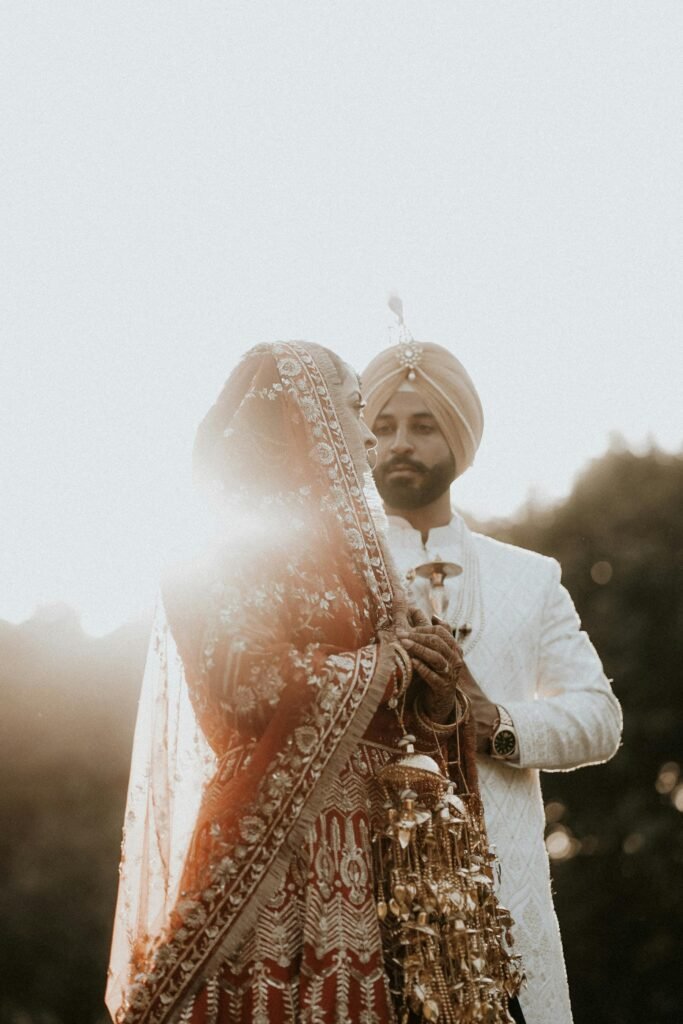
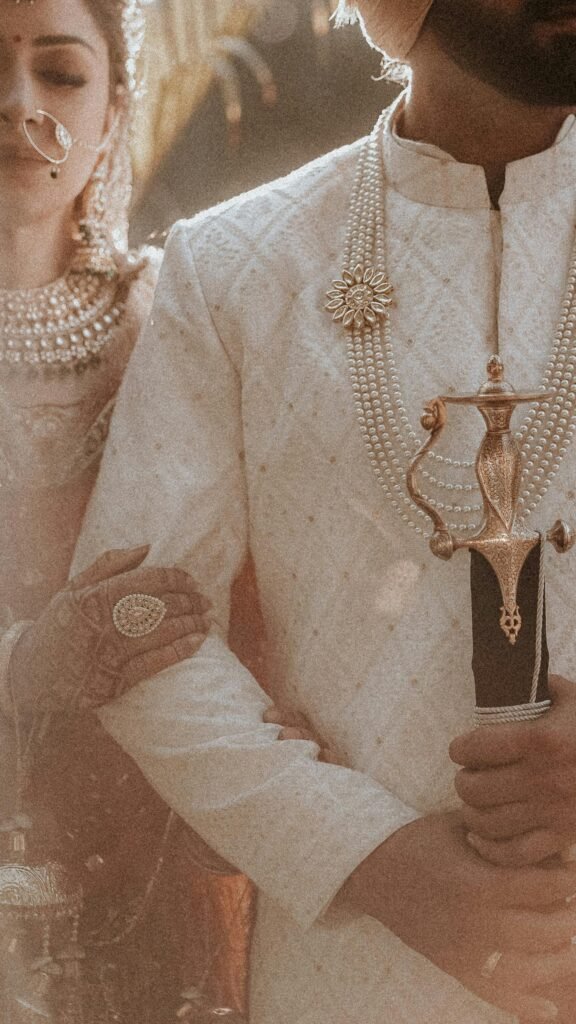
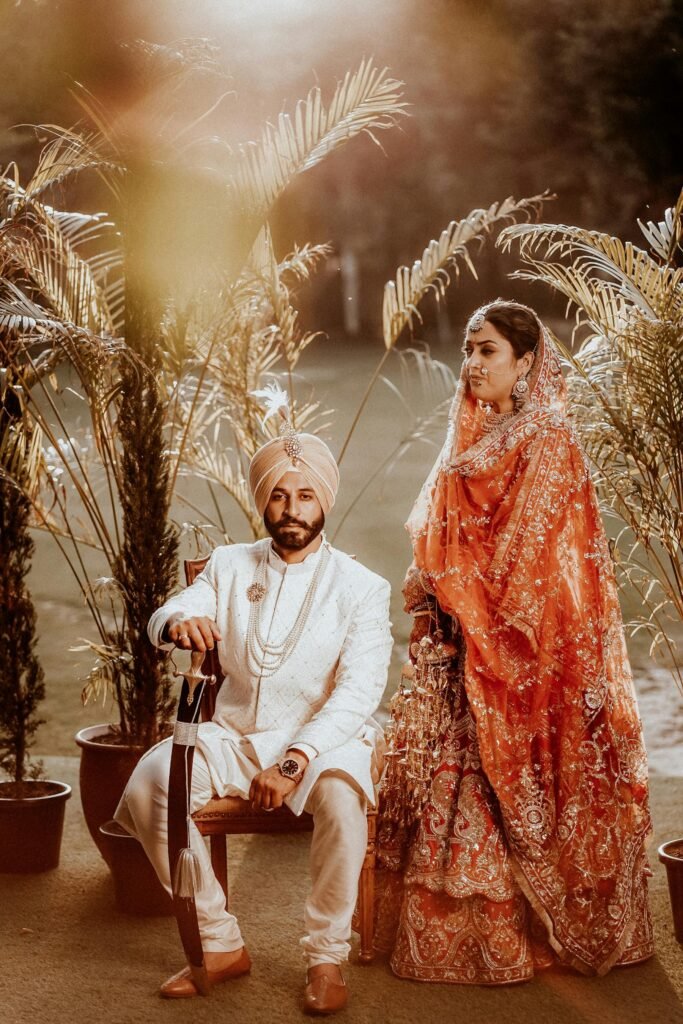
A destination wedding in India is not one event; it is typically four to six events across two to four days, each with its own light conditions, emotional elements and visual logic.
The specific challenges: a Haldi ceremony typically happens in strong afternoon light; harsh and directional, requiring deliberate exposure management. The Mehendi runs long and intimate, requiring the photographer to disappear into the background while still finding significant images around all the frenzy. The Baraat is fast-moving, crowded, chaotic, and extraordinary — you have seconds for each significant moment. The Pheras in candlelight or morning sunlight require completely different technical approaches. And the Reception, often running past midnight, is an entirely different energy that demands different equipment and instincts while ensuring no one is missed from the visuals.
At In The Fable Cameraworks, we have covered each of these across dozens of destination weddings in India. Our approach is narrative-driven and documentary-style. This is what makes the final work feel true rather than curated, while the curated moments express your authentic stories in a visually striking manner.
What to Look for When Choosing a Wedding Photographer in India
- Consistency across conditions: look for portfolio work that shows the full range of a wedding in India; not just the beautiful Haldi images and the heroic baraat shot, but the 11pm reception floor, the early morning temple ceremony, the intimate preparation scenes.
- Tradition-specific experience: a photographer who has only covered North Indian Hindu weddings may be underprepared for a Tamil Muhurtham at 5am. Ask explicitly about experience with your specific traditions and community.
- Documentary vs posed: most families want a blend. Understand which direction the photographer defaults to, and whether that matches your preference.
- Multi-camera coverage: for a 400-person destination wedding in India with simultaneous functions happening in different spaces, one photographer is genuinely insufficient. Ask about second photographers and how multi-camera coverage is managed.
- Full-programme pricing: be clear on what is covered. A destination wedding in India across 4 events over 3 days requires a specific multi-day package, not a single-day rate.
For a benchmark of quality in international wedding photography, the ISPWP (International Society of Professional Wedding Photographers) and Fearless Photographers both maintain curated lists of India’s finest photographers. Use them for sorting through photography styles and see who resonates most with you.
Wedding Photography Costs in India
Current market rates:
- Emerging and solo photographers: ₹80,000–₹1.5L per event. Good technical quality, less editorial vision. Suitable for smaller celebrations or budget weddings.
- Experienced mid-tier: ₹1.5L–₹4L per event. Strong portfolio, familiar with Indian wedding conditions. The market’s core.
- Top-tier documentary/editorial: ₹4L–₹12L+ per event. Consistent creative vision, multi-day programme experience, award recognition and a solid understanding of their work.
- Full-service media production (photo + film + additional deliverables): ₹5L–₹18L+ for the full event schedule across days. This is what a destination wedding in India at the luxury level deserves.
These costs reflect the shooting and the full post-production: culling from 30,000–70,000 frames, careful editing and colour grading, final delivery. The timeline from wedding to gallery delivery should be discussed explicitly as different teams have different timelines.
Pre-Wedding Photography in India: Locations, Process and What to Expect
A pre-wedding shoot is one of the most enjoyable and underappreciated parts of planning a destination wedding in India. It is not just photography; it is a dress rehearsal for the photographer-couple relationship. A creative adventure in an extraordinary location and often the source of the images that end up framed on walls and printed in albums for the rest of a couple’s lives.
What Is a Pre-Wedding Shoot in India?
A pre-wedding shoot (called an ‘engagement shoot’ in Western contexts, though the Indian version is often considerably more elaborate) is a dedicated photography session, typically a few hours to 1–2 days, at a location separate from the wedding venue. It is distinct from the wedding day itself and designed to produce creative, editorial portraits in a setting chosen for its visual quality. Common formats range from a single morning at a heritage location to a multi-day production at a Rajasthan destination with multiple outfit changes and a full styling team.
Why do couples do it? Three reasons. First, it builds genuine comfort between the couple and the photographer; the wedding day goes significantly better when you already know how your photographer works and they know how you move (think of it as warm up!). Second, it produces images in conditions that cannot be recreated on the wedding day (a private fort at sunrise; a houseboat alone on a backwater at golden hour). Third, for NRI couples based abroad, a pre-wedding shoot trip to India is often the first time they visit the destination; it doubles as a location scout.
The Best Pre-Wedding Photography Locations in India
Rajasthan: Unmatched Grandeur
Rajasthan is the most popular pre-wedding destination in India by a significant margin, and for good reason. The locations include: Amber Fort (Jaipur), Sheesh Mahal and the ramparts at dawn; the blue-painted alleys of the old city in Jodhpur; the Sam Sand Dunes in Jaisalmer at golden hour; the lakeside ghats of Udaipur at first light. Each of these locations are ASI-managed heritage requiring advance photography permits for professional shoots.
Goa: Light, Architecture and the Sea
Goa’s pre-wedding photography landscape is defined by three things: the quality of light (the equatorial sun in November–February produces a warm, golden quality across both day and early evening), the Portuguese heritage architecture (the whitewashed churches, the red-laterite bungalows, the fort walls), and the coastline (particularly the deserted beaches of North Goa in early morning). Divar Island, accessible by a short ferry, provides a quiet, rural Goa that photographs completely differently from the beach resort image.
Himachal: Mountains and Cloudscapes
Spiti Valley, Solang Valley and the high-altitude landscapes of Ladakh produce a visual drama that is impossible in peninsular India. For couples who want their pre-wedding photography in India to look unlike anyone else’s, a Himachal or Ladakh shoot is the answer. Further, logistics are significant — distances are vast, conditions are variable, and the elevation requires acclimatisation — but the images are extraordinary. We plan specifically for the quality of high-altitude morning light, which is unlike anything at sea level.
Kerala: Golden Hour on the Water
A Kerala backwater pre-wedding shoot, ideally on a private houseboat on the Alleppey canals or on the open waters of Vembanad Lake, produces a visual warmth and intimacy that is unique in India. The quality of light on water at golden hour is extraordinary, and the absence of architecture as backdrop gives the images a natural, timeless character. Munnar’s tea estates at dawn are a second Kerala option with a completely different aesthetic: mist, green, cool light, altitude.
The Process: What to Expect From Your Pre-Wedding Shoot in India
- Wardrobe coordination: For a 1–2 day shoot, plan for 2–3 outfit changes. Coordinate with the location palette.
- Timing around light: Golden hour is non-negotiable for a destination pre-wedding shoot in India. Two golden hour windows per shoot day (approximately 45 minutes each, morning and evening) is the maximum. Plan everything else around these.
- Permits for ASI monuments: Many of India’s most extraordinary pre-wedding locations are managed by the Archaeological Survey of India (ASI). Commercial photography at ASI monuments requires advance permits, which can take 2–4 weeks to obtain.
- What to expect on the day: A typical full pre-wedding day involves 2–4 hours at each location. Expect setup time, travel between locations, styling time between outfit changes. A realistic 10-hour day covers 2–3 significant locations well.
Pre-Wedding Photography Costs in India
- ₹40,000 – ₹80,000: new/solo photographer, 1 day or a few hours, single city location.
- ₹1L – ₹3L: experienced documentary photographer, 1–2 days, destination shoot.
- ₹3L – ₹8L+: full production pre-wedding: multi-day destination, styling team, creative direction, etc.
Additional costs to factor: photographer and assistant travel and accommodation; location permit fees (varies by monument, typically ₹5,000–₹25,000); hair and makeup styling for the shoot are typically charged for this service.
South Indian Wedding: Traditions, Rituals and What Makes Them Distinct
A South Indian wedding is not simply a geographical variation on the North Indian wedding format. It is a completely different visual, ritual and temporal experience rooted in traditions that are, in some cases, thousands of years old and tied to one of the world’s oldest living cultural continua. For any couple planning a destination wedding in India in the South, and for any media production team covering one, this distinction is foundational.
What Makes a South Indian Wedding Different
The contrast with North Indian weddings is immediately visible: where a North Indian Hindu wedding is red, gold, and spectacularly coloured, a traditional South Indian wedding is cream and gold; the white cotton mundu (for the groom), the ivory Kanjivaram silk saree with zari gold border (for the bride), the banana leaf decorations, the white jasmine garlands. Moreover, this aesthetic is refined and ancient rather than opulent and contemporary.
South Indian temple architecture: the great gopurams (towers) of Tamil Nadu’s Dravidian temples, the carved granite corridors of the Brihadeeswara Temple in Thanjavur (a UNESCO World Heritage Site since 1987) and the bronze sculpture traditions of the Chola period provide a heritage context of extraordinary depth. The Archaeological Survey of India maintains several of these temples as protected monuments and they are central to South Indian wedding culture both as ceremony venues and as photography settings.
The four major South Indian communities, Tamil, Telugu, Kannada, and Malayali, each have distinct ritual practices. The following covers the most widely observed, with the understanding that community and family variation is significant.
Key South Indian Wedding Ceremonies
Naandi and Vratham: The Eve of the Wedding
Naandi is the invocation ceremony performed at the bride’s home on the wedding eve, calling on ancestors for their blessings. Vratham (observed separately by bride and groom) involves ritual preparation: specific prayers, dietary observances and the beginning of the wedding’s sacred time. These ceremonies are intimate and often photographed in the family home setting, some of the most meaningful frames of the entire wedding with great opportunities to capture the closest family and incorporate earthy tones in the visuals.
Kashi Yatra: The Groom’s Mock Departure
One of the most photographed and most joyful moments of a Tamil wedding. The groom, dressed as a sanyasi pilgrim with an umbrella, a fan and a bundle of belongings, announces his intention to leave for Kashi (Varanasi) to pursue a spiritual life. He is intercepted by the bride’s father, who persuades him to stay and marry his daughter instead. The ceremony is simultaneously profound and comic, and it produces photographs of extraordinary warmth.
Oonjal (Tamil) / Talambralu (Telugu): The Seated Swing Ceremony
The couple is seated together on a ceremonial swing, exchanging rice and flower petals in a ritual that symbolises the beginning of shared life. The oonjal (swing) is decorated with flowers and the ceremony is accompanied by Carnatic music, typically Nadaswaram and Tavil. This is one of the most visually distinctive moments of any South Indian destination wedding in India, and one that rewards a documentary approach.
Muhurtham: The Precise Auspicious Moment
The Muhurtham is the specific moment, determined by the Panchangam (almanac) and calculated by the officiating Vedic priest, at which the tying of the sacred thread (Mangalsutra or Thaali) takes place. This is the legally and spiritually constitutive moment of the marriage. For Tamil weddings, it often occurs at dawn (5am–7am). For Telugu weddings, it may be mid-morning. The ceremony happens very quickly, the knot is tied in seconds, and the entire hall will erupt in cheers from the assembled family as it does.
From a photography perspective, this is the highest-stakes moment of the entire destination wedding in India: fast, specific, non-repeatable,and happening in whatever light conditions the muhurtham dictates. Morning ceremonies in temple halls or hotel function rooms require specific technical preparation.
The Reception
South Indian wedding receptions are often held separately from the ceremony, sometimes on the same day in the evening, sometimes the following day. The aesthetic shifts dramatically: the traditional ivory and gold of the morning ceremony gives way to contemporary bridal wear (often a coloured silk saree or a designer lehenga for younger brides), modern DJ music, and a much larger guest count. The two ceremonies together tell a layered story — the ancient and the contemporary, the ritual and the celebratory.
South Indian Wedding Venues and Heritage Locations
For a South Indian destination wedding in India with architectural heritage as a backdrop, the options are extraordinary. Tamil Nadu’s Chettinad palaces — the private mansions of the Nattukotai Chettiars in Karaikudi, built with materials imported from across the British Empire in the 19th and early 20th centuries — provide a visual richness that is unique in India. The Madurai Meenakshi Amman Temple is one of the greatest Hindu temples in the world and for families with a connection to Madurai, its gopurams provide an extraordinary backdrop for wedding photography (If permitted).
For contemporary luxury South Indian destination weddings, the Leela Palace Chennai and the Taj Fisherman’s Cove (Mamallapuram) both offer sophisticated venues adjacent to some of Tamil Nadu’s most significant heritage. The Mamallapuram Shore Temple and Pancha Rathas, a UNESCO World Heritage Site, provide a wedding photography backdrop of extraordinary antiquity.
Planning Your Destination Wedding in India: A Realistic Timeline
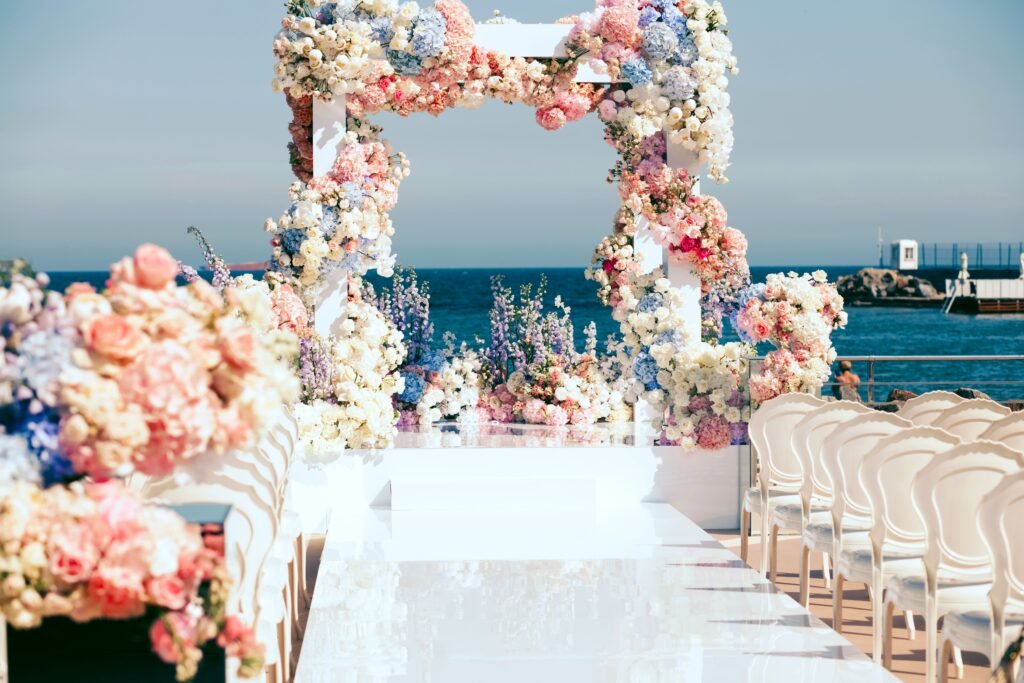
A destination wedding in India at the luxury level requires more advance planning than most couples initially assume and the reasons are structural, not bureaucratic. The best Rajasthan properties for peak season dates book 18 months out. Bridal couture from the country’s finest designers requires 6–9 months minimum. Further, auspicious date selection process can take months of pandit consultation and needs to happen before any venue booking. Here is a realistic framework:
- 18–24 months out: Define the vision, agree the budget, select the region. Begin muhurtham consultations with your pandit to determine the wedding date, which determines everything else. If possible, visit shortlisted venues in person.
- 12–18 months: Book your venue. This is the single most consequential action in planning a destination wedding in India; the date anchors everything else. For peak-season properties in Rajasthan (October–February), this is not cautious, it is realistic. Hire your wedding planner. Then, begin decor, photography and film conversations.
- 12 months: Book your media production team. Begin bridal couture conversations if ordering bespoke — 6–12 months is the standard lead time for a Sabyasachi, Abu Jani Sandeep Khosla or equivalent commission. Secure outstation guest accommodation blocks.
- 9–12 months: Confirm décor company, caterer, entertainment. Send save the dates internationally, including Indian e-Visa guidance for foreign passport holders. This a good time to begin menu planning. You will be surprised how often couples go back and forth to finalise the menu,
- 6–9 months: Finalise all ceremony timings with your pandit. Confirm mehendi artist and baraat logistics. Send formal invitations.
- 3–6 months: All vendor contracts finalised. Bridal outfit fittings. Hair and makeup trials. Detailed multi-day run-of-celebration document prepared with your planner. Photography brief shared with your media production team.
- 1 week before: Arrive at the destination. Full venue walk-through. Outstation and international guests arriving; host a welcome event. The best Indian wedding welcome events we have covered: a rooftop sunset cocktail at the venue, or a sit-down nawabi dinner for 30 in an old city restaurant. The wedding celebrations finally start.
Legal Requirements for Getting Married in India: A Guide for NRI and International Couples
The legal process for formalising a destination wedding in India is more navigable than most couples fear but it requires advance understanding, particularly for NRI families and international couples. Here is a clear, accurate breakdown.
Hindu Marriage Act (1955): For Hindu Couples Including NRIs
The Hindu Marriage Act applies to Hindus, Sikhs, Buddhists and Jains. For NRI couples who are Hindu and conducting a religious ceremony in India, the ceremony itself is legally valid but registration of the marriage is now a legal requirement in most Indian states following a 2006 Supreme Court direction. Furthermore registration is completed at the local Sub-Registrar’s office after the ceremony, typically within 60–90 days. For NRI couples, registration in India is important for visa, immigration and inheritance purposes.
Full text of the Hindu Marriage Act is available via the India Code official legislative database.
Special Marriage Act (1954): For Interfaith, Civil and Mixed-Heritage Couples
The Special Marriage Act, 1954 provides a secular civil marriage framework available to all citizens of India regardless of religion and to foreign nationals marrying in India. It is the most commonly used route for interfaith couples, NRIs marrying foreign nationals and international couples who want a legally binding marriage in India.
Key requirements: Both parties must be present in India for the notice filing. A Notice of Intended Marriage must be filed at the Marriage Registrar’s office for the district where at least one party has resided for 30 days. A 30-day public notice period follows. The marriage is then solemnised and a marriage certificate issued. Total minimum in-country presence required: approximately 30–35 days.
Foreign nationals: If one party is a foreign national, the Marriage Registrar may request a No Objection Certificate (NOC) from the relevant embassy confirming no impediment to the marriage. US citizens should contact the US Embassy in New Delhi’s American Citizens Services for current requirements. UK citizens should refer to the FCDO’s official guidance on getting married abroad. The MEA India’s guidance on marriages to overseas Indians is also essential reading for diaspora couples.
Symbolic Ceremonies: The Most Common Route for NRI Couples
The overwhelming majority of NRI and diaspora couples who hold a destination wedding in India choose to marry legally in their home country (UK, US, UAE, etc.) and hold the full religious or symbolic ceremony in India. This is a fully valid and widely practised arrangement that removes the 30-day residence requirement, simplifies logistics and allows complete freedom over ceremony format, venue and pandit choice.
Indian e-Visa for International Guests
Most of the world’s passport holders can obtain an Indian e-Visa online through the official Indian e-Visa application portal. UK, US, Australian, EU and most Gulf nationals are eligible. Processing time is typically 3–5 business days. Apply at least 2 weeks before travel to allow margin. Some nationalities (Pakistani, Afghan) require a paper visa from the Indian High Commission, check your specific nationality before advising guests.
The Vendors You Need for a magical Destination Wedding in India
The vendor ecosystem for a destination wedding in India is the deepest in the world for this format of celebration, but navigating it from abroad (or even a different Indian state) without local knowledge is genuinely difficult. Here is the core team you need and what to look for in each.
Planning a Destination Wedding in India? Let’s Tell Your Story
India produces some of the most extraordinary wedding photography and film in the world. That is not a coincidence, it is the result of a country that celebrates with its whole heart, across days and nights, in some of the most beautiful settings on earth. A destination wedding in India, done with the right team and the right approach, is not just a beautiful event. It is a cultural experience that your guests will talk about for the rest of their lives.
At In The Fable Cameraworks, we are a full-service wedding media production company specialising in documentary-style, editorial-leaning photography and film for Indian, multicultural and South Asian weddings across Europe and South Asia. Our work is narrative-driven and creative direction-focused. We have covered destination weddings in India across Rajasthan, Goa, Delhi NCR, Mumbai, Lucknow, Ahmedabad, Kerala and beyond; each one approached as a unique story and produced with extraordinary care.
If you are planning a destination wedding in India and you want photography and film that genuinely reflects what the celebration means to you; not a template, not a checklist, but the real story, this is where the conversation starts.
Frequently Asked Questions (FAQs) - Destination Wedding in India
- What is the cost of a destination wedding in India?A mid-scale destination wedding in India of 200–300 guests across 2–3 days typically costs between ₹50 lakh and ₹1.5 crore. Intimate celebrations (50–100 guests) can be done from ₹15–50 lakh. Luxury multi-day palace weddings range from ₹2 crore to ₹20 crore and beyond. The DesiWeddings community is a useful peer source for real budget data from recent celebrations.
- What is the best destination for a wedding in India?Rajasthan, specifically Udaipur, Jaipur and Jodhpur, leads for heritage grandeur. Goa leads for coastal accessibility and international guest comfort. Kerala is the strongest choice for serene visuals and South Indian traditions. Delhi NCR has the deepest vendor ecosystem. The best destination truly is the one that matches your visual vision and your guest profile.
- Can NRI couples or foreigners get married legally in India?Yes. Hindu couples can register under the Hindu Marriage Act after their ceremony. All couples regardless of religion can use the Special Marriage Act 1954 which requires 30 days' residence in India before the notice period. Most NRI and diaspora couples choose to marry legally at home and hold the full cultural celebration in India. US nationals should check with the US Embassy in India. UK nationals should refer to the FCDO's marriage abroad guidance.